What to check when dividing a patio into dining and lounging areas
A patio can feel cramped when every chair seems to belong to every activity. Meals, quiet seating, and poolside time work better when the space has clear zones. The aim is not to fill every corner. It is to make each area easy to enter, use, and tidy away.
Start with the shape of the space and the way people move through it. A terrace outside a kitchen often needs a direct path to the dining table. A balcony may need a narrower arrangement, with furniture that can be moved when the door swings open. Mark the main routes in your mind before choosing any pieces. Those routes should stay open even when chairs are pulled out.
Measure the space before choosing furniture
Walk the area with a tape measure and note the fixed points: doors, railings, planters, wall outlets, steps, and corners. Check the floor area available for actual seating, not just the full width of the patio. A dining set needs room around the table for chairs to slide back. A lounging zone needs enough room for a chair to recline or for legs to stretch out.
Think in terms of use rather than furniture counts. A dining zone with four chairs and a small table may suit a weekday meal. A larger table becomes useful when the space is wide enough to move around it comfortably. A relaxing zone may only need one or two loungers, a bench, or a low chair beside a side table. More pieces can make the area look fuller, but they can also turn a calm corner into an obstacle course.
Clearance space matters most at entrances and along shared routes. Leave a path wide enough for someone carrying plates, a drink tray, or a beach towel. If a chair must be dragged across that path to sit down, the layout will feel awkward. Place the dining set where chairs can be used without crossing the lounging area whenever possible.
Choose pieces that match each zone
Dining furniture tends to work best when it has a stable surface, upright seating, and a shape that fits the table. Lounging furniture can be lower, broader, and more relaxed. Resin outdoor furniture can suit both roles because it is made for exterior use and is available in chairs, dining pieces, benches, chaise lounges, swings, and poolside products. The practical question is which piece supports the way each zone is used.
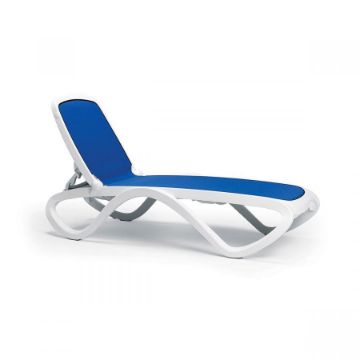
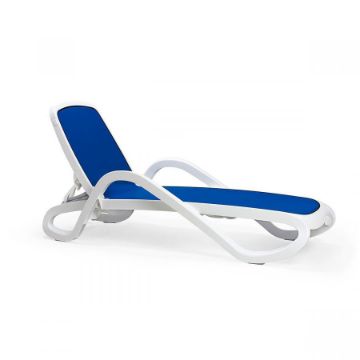
A Nardi Omega Chaise Lounge fits naturally in the relaxing part of the plan, especially where the goal is sunbathing, reading, or sitting by the pool. Keep it where the reclining line does not cut across the dining route. If the patio is small, place it along the longest clear edge rather than in the middle. That keeps the open floor visible and gives the dining area a cleaner boundary.
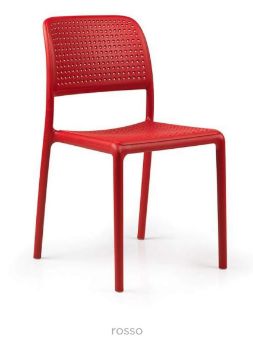
For the dining zone, look at the chair footprint before buying. Slim chairs can make a table feel less crowded, while armchairs need more room at the sides. Chairs that tuck fully under the table are useful when the same patio serves meals and everyday movement. If extra seats are kept nearby, they should be easy to bring in without shifting the whole arrangement.
Stackable patio furniture is useful when flexibility matters. Chairs can be brought out for a meal and stacked away when the area is used for something else. This is practical on a terrace, balcony, or smaller patio where one surface has more than one job. Check the stacking height before choosing a storage spot, since stacked chairs can be taller than expected. A corner beside a wall may work, but only if it does not block a route or look like a pile of clutter.
Check how the zones will feel in daily use
A good layout looks fine when empty, but it also needs to work when everything is in use. Pull a chair out from the table and see whether the path stays open. Imagine two people walking past a lounger at the same time. Notice whether one zone has to borrow space from the other every time someone sits down.
- Table access: Keep enough room around the table so chairs can move without bumping into loungers, planters, or walls. This prevents the dining area from feeling squeezed.
- Reclining room: Allow space behind and beside a lounge chair so it can be used as intended. This protects the relaxed feel of the zone.
- Traffic flow: Keep the route between the door, table, and seating area direct. A clear path reduces shuffling and makes the patio safer to cross.
- Movement of loose chairs: Check that extra seating can be moved without scraping furniture or catching on fixed objects. This matters most where meals often run long.
- Storage spots: Decide where stacked chairs, cushions, or poolside items will sit when not in use. A planned spot keeps the zones separate.
Lighting and shade can also define the two areas without adding walls or screens. An overhead shade over the table makes the dining spot feel distinct. A small lamp, lantern, or soft outdoor light near the loungers gives the relaxing zone a different mood after sunset. Even a change in flooring, such as an outdoor rug under one seating group, can signal where one zone ends and the other begins.
Do not rely only on visual cues. The body reads space through movement. If the route from the table to the loungers is blocked by a bench, people will push chairs aside and the separation will break down. If the dining chairs are stored neatly after meals, the lounging side will feel more open. Small habits often keep a layout working better than a strict furniture arrangement.
Allow for changing needs
Outdoor spaces rarely stay the same. A patio may host a quiet breakfast, a group meal, or an hour beside the pool on different days. A Nardi Omega Chaise Lounge can remain in its resting spot while dining pieces are arranged around it, provided the original layout left enough room. That is why flexibility should be built in from the start.
Resin dining chairs that stack, lightweight benches, and modular seating make changes easier. Fixed pieces such as swings or large loungers should be placed first, since they are less convenient to move. After that, arrange the table and chairs around them. This order keeps the main features of each zone intact and avoids constant rearrangement.
On a balcony, the same idea applies on a smaller scale. A compact dining set can serve meals, then fold or stack away when a lounger comes out. Keep the chair footprint modest and avoid pieces that need a wide pullback. A narrow side table may be more useful than a full table when the main aim is a drink and a place to sit.
Finish with a practical walkthrough
Before settling on the arrangement, walk through a normal day in the space. Open the door, set the table, pull out a chair, cross to the lounging area, and put everything back. If each action feels easy, the zones are working. If one movement causes a chain reaction, adjust the layout rather than adding more furniture.
The best split between dining and relaxing areas is usually simple. Each zone has a clear job, enough room to use it, and a path that does not depend on moving other pieces. With stackable patio furniture, the plan can stay open and practical, giving the patio room to change without losing its sense of order.